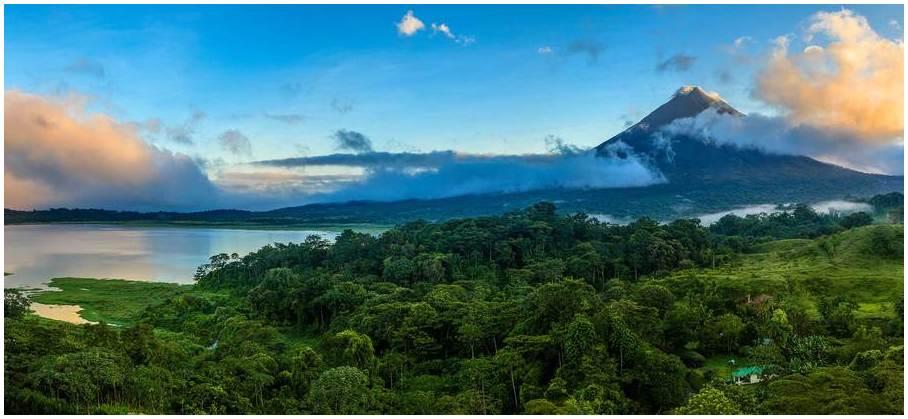
Would you like to spend a weekend or a holiday discovering unique places in the heart of immense forests, mountain ranges, by the sea or on islands with typical, natural landscapes? Spain is the ideal destination for you, whether you love architecture, tradition, art, shopping or sunbathing on the beach. The world's second-largest tourist destination is an admirable tongue of land, with an undeniable cultural wealth that will ensure you relax while learning interesting things. In each of its cities, you'll find restaurants and bars with creative, high-quality cuisine, museums and art galleries, and a lively nightlife. To give you an idea, we present 30 places in Spain that we think are not to be missed. Let's get exploring!
Barcelona

Barcelona, capital of the Catalan region and a mythical city, is the most visited city in Spain. It has countless assets to offer, including superb beaches, a beautiful historic centre, numerous museums, a lively nightlife and tapas bars for a great night out.
Vibrant, sunny, cosmopolitan and with an enormous wealth of culture, Barcelona is Europe's favourite tourist destination. It holds the world record (no fewer than 8 sites) for the number of buildings listed as UNESCO World Heritage Sites.
On the other hand, the city boasts some highly original monuments built by the architect Antoni Gaudí! Suffice to say, there's plenty to see. You won't want to miss the splendid Sagrada Familia, begun in 1883 and still under construction. And that's not all! There are other important places to visit in Barcelona, too:
Casa Milà and Casa Batlló, 2 buildings designed by Gaudí
Güell Park
La Rambla, Barcelona's most emblematic avenue
The Gothic Quarter
Camp Nou, FC Barcelona's legendary stadium
Montjuïc Hill, home to Barcelona's botanical gardens and the Olympic facilities for the 1992 Games.
Follow us to find out all about what you can do in the Catalan capital!
Read also: What to do in Barcelona? Top 60 most popular activities
Madrid

Madrid is one of the places not to be missed for its lively and exciting atmosphere. As the capital of Spain, it has a rich cultural heritage, with no major monuments but plenty of museums. You can choose the latter according to the age of your children, your length of stay and your wishes. Madrid has many public spaces where young Spaniards gather in the evenings. You're sure to love strolling through the narrow streets lined with restaurants and nibbling tapas in the various bars. You'll need at least three days to get the most out of the different districts, some of the monuments and the atmosphere of Madrid. Don't worry! If you're a fan of culture and museums, you won't be bored.
Madrid has no shortage of interesting places to discover either:
The Palace of Cybele, with its magnificent architecture
The Royal Palace of Madrid
The Plaza Mayor of Madrid
The Prado Museum
The sublime Retiro Park
Read also
Top 60 things to do in Madrid
Top 20 Historic Monuments in Madrid
Top 16 restaurants in Madrid in 2022
Seville
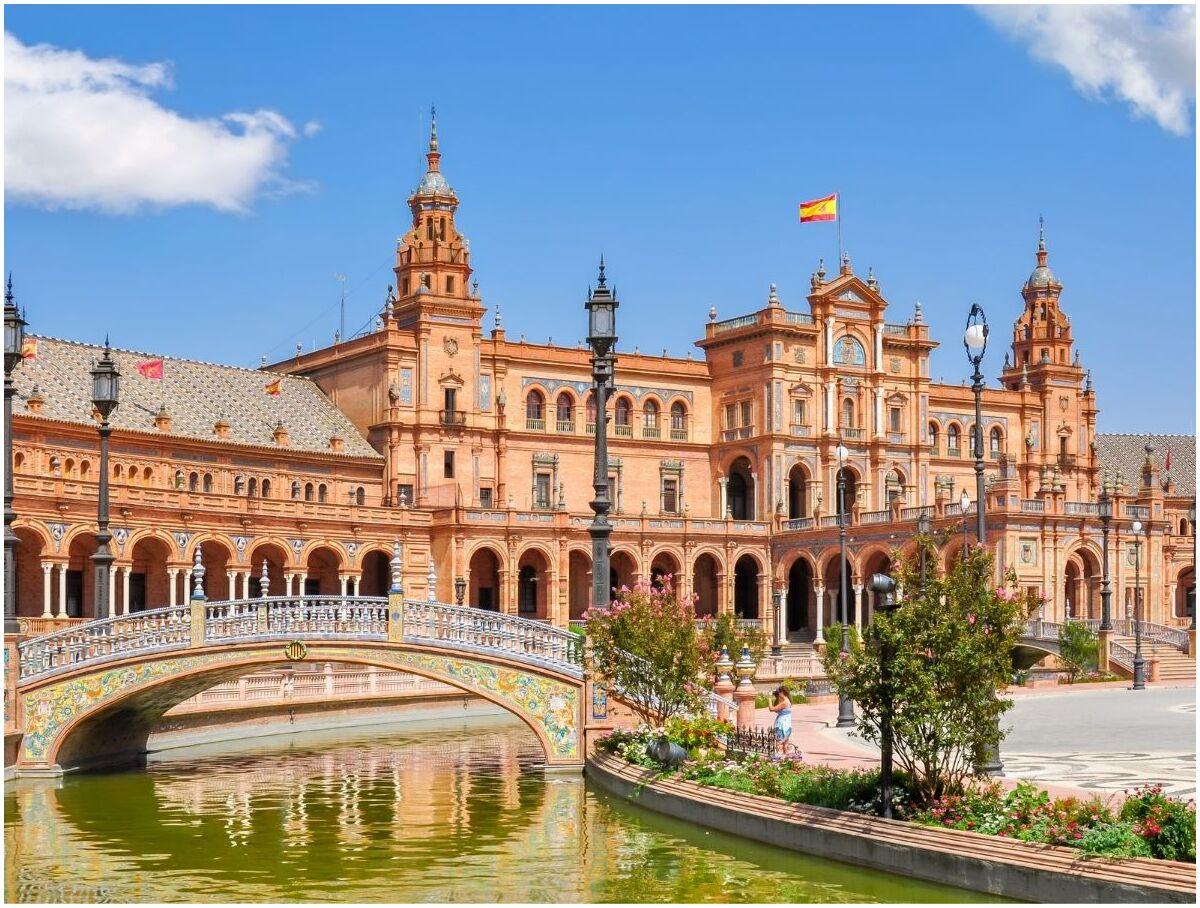
Seville is a choice destination in the heart of Andalusia, and a great one for your Spanish tour! You'll discover a rich architectural and historical heritage. Well, it's the ideal city to spend a romantic weekend or with friends. You'll love getting into the Spanish spirit, with tapas galore, flamenco and sangria on the menu.
Not only does the city boast a wealth of culture, it also boasts an exceptional environment, between the sea and the mountains, where the weather is fine all year round.
It's well worth discovering the friendly locals and enjoying the warm atmosphere of the South!
Must-sees in Seville:
Seville Cathedral and the Giralda
The Spanish Steps
The Real Maestranza de Caballería bullring in Seville
The Gold Tower (Torre del Oro), on the banks of the Alfonso XIII Canal.
Seville's Alcázar, an architectural marvel, and its gardens.
See also
What to do in Seville: 56 must-see activities and visits
El Torcal de Antequera nature reserve

This is considered to be one of Spain's most beautiful landscapes, and will leave you breathless. Located in Andalusia, El Torcal is one of the ideal tourist destinations for people of all ages and tastes. This reserve is home to impressive rock formations, worthy of a miniature Grand Canyon; natural sculptures created by millennia of erosion that are well worth a visit. In fact, the surrounding area is completely wild. And the man who walks among these eroded rocks gets a good dose of humility and feels the power of nature. Occasionally, you'll even come across a few ibex frolicking in this long-preserved landscape. To tell the truth, one day is not enough to visit everything, to get to know and appreciate the wonders that surround the reserve and its surroundings. You'll probably want to come back again in the near future.
Santiago de Compostela

Santiago de Compostela square is the final stop on the famous pilgrimage. Famous the world over, it brings together thousands of people every year. They set off on foot, horseback or bicycle towards this mythical destination. The visit necessarily begins in the Place do Obradoiro, which leads to the cathedral, the impressive monument of your stay. The cathedral is a blend of Romanesque, Baroque, Gothic and neoclassical styles.
Once there, you'll be overwhelmed by the city's incredible wealth of culture and history. Take plenty of time to admire the façade of the Obradoiro, the high altar and the Portico de la Gloria. All of which have earned the city a place on the World Heritage List.
Places of interest not to be missed in Santiago de Compostela:
The impressive cathedral.
The Renaissance Hotel of the Catholic Monarchs.
The neoclassical Raxoi Palace.
The College of San Jeronimo in Gothic style.
The typical narrow streets that criss-cross the city.
The medieval historic centre.
Córdoba

Cordoba is another city in Andalusia. To enter Córdoba's historic centre, take the Almodovar gate, which is surrounded by high walls and ramparts. Cordoba is packed with remarkable monuments, the most famous of which is the Mezquita cathedral mosque. It's a surprising combination of mosque and cathedral. You can find it by taking the narrow street of Cajella de las Florès. Cordoba is a pleasant city to stroll around. It also has a variety of architectural styles to delight you. Stroll through its typical Andalusian streets, with their whitewashed facades and flower-filled balconies, and discover its dozens of colourful arches. This UNESCO World Heritage city, with its many monuments, will appeal to the whole family, especially those who love colour.
Places not to be missed in Cordoba :
The Mezquita or mosque-cathedral of Cordoba
The Calahorra Tower, its famous Roman Bridge and the Bridge Gate
The historic centre of Cordoba
The Roman temple of Cordoba
The Alcázar of the Christian Kings of Cordoba, which has a beautiful garden.
Zaragoza

Zaragoza is a relatively untouristy city, off the beaten track that captivates the eye. The fifth largest city in Spain and capital of Aragon, it is a fabulous city right next to Catalonia. With its sumptuous architecture blending styles, eras and diverse cultures, Zaragoza has an impressive cultural wealth.
Built on the banks of the Río Ebro, the city reveals its full charm at sunset. Its romantic bridge and its basilica, worthy of a children's story, are marvels that you should not miss. Spending a day in Zaragoza is like walking through the history of Spain while enjoying the joie de vivre of the Mediterranean.
Not-to-be-missed sights in Zaragoza
San Salvador Cathedral
Basilica of Nuestra Señora del Pilar
The old fortifications dating back to Roman times.
The fortified palace of Aljaferia.
The Roman remains of Mérida

The site of Mérida is the largest archaeological site and a faithful representative of the Spanish Roman period.
You can visit this place, which takes its name from the city of the same name, with a pass that costs 12 euros. Night-time guided tours are also available. From then on, you'll have access to the huge amphitheatre, the ruins of a 2,000-year-old theatre, two aqueducts, several temples, a number of Roman villas, a Roman circus, etc., as well as all the other buildings that give you a good idea of how the Spanish lived in bygone days. Everything is so well preserved that you will almost believe it... Don't forget to visit the National Museum of Roman Art in Merida! Its collection includes large mosaics, the ornamentation of the forum's propylaeum and the layout of an ancient Roman roadway.
Toledo

Toledo is a charming city to the south of Madrid. With its air of a city frozen in time, it boastsa rich architectural heritage, influenced by several civilisations. This is why it is a UNESCO World Heritage Site. It's a wonderful city with a special atmosphere, varied and original buildings, and a particularly open-minded population. Be sure to visit the Jesuit church (also known as the San Ildefonso church). As the church is located at the top of the city, you'll be able to admire the panoramic view of Toledo's rooftops from its towers. To reach it, take the Cuesta de la Ciudad crossing on the left-hand side as you leave the cathedral, heading towards the Plaza de la Ayuntamiento.
A must-see in Toledo:
The Alcázar of Toledo
Museum of Santa Cruz
Monastery of St John of the Kings of Toledo
Cathedral of Santa María de Toledo
Santa María la Blanca synagogue.
The convents district
The Rías Baixas coastline

The Rías Baixas is little known to tourists. Nevertheless, it is an exceptional landscape represented by the succession of valleys separated by the sea that make up the coastline of north-west Spain. You'll discover heavenly beaches with fine white sand and turquoise waters, not far from the crowds on the Cíes Islands. And you shouldn't miss out on any of the charming beaches such as: A Lanzada and Illa de Arousa, with its 36 km of coastline classified as a nature reserve.
The region is made up of 5 Rias:
Ría de Corcubión
Ría de Pontevedra
Ría de Muros y Noya
Ría de Arosa
Ría de Vigo.
But to visit the Rías Baixas properly, you'll need a car, otherwise access to the most beautiful spots may not be easy. The region is even more magnificent at night. You'll need to stay in the area until nightfall; the light of sunset over the ocean makes for great photo opportunities.
Valencia

Valencia is an attractive city thanks to its original architecture, a blend of ancient and modern, and its outdoor environment. With its relaxed ambience and futuristic, ethereal atmosphere, it is one of the most visited Spanish cities by the French. It has ultra-modern structures, reflecting pools and exciting exhibitions. The city will also teach you about certain subjects through its City of Arts and Sciences. As well as being cheaper in terms of air fares, there's so much to be gained from visiting Valencia for at least 3 days.
Places of interest to visit in Valencia:
Plaza de la Virgen
El Barrio del Carmen
L'Oceanogràfic, an oceanarium with astonishing architecture!
The Turia Gardens, a public park laid out in the former bed of the Río Turia
Saint Mary's Cathedral in Valencia.
The Torres de Serranos
Ordesa and Mont Perdu National Park

This park, forged over thousands of years, is well worth a visit. Easily accessible, it lies in the Pyrenees mountain range, straddling Spain and France. It's the only park in Spain that will delight mountain enthusiasts. Its summit and the four valleys that make it up (Anisclo, Escuenta, Ordesa and Picuaìn) serve as a film set. It has to be said, nature lovers and hikers are in for a treat in this breathtaking karst landscape, with dozens of kilometres of signposted trails.
Ordesa National Park lies at the foot of Mount Lost. It's a natural paradise where different ecosystems coexist: canyons, peaks, meadows, forests, incredible gorges, eternal snows, glaciers, valleys and waterfalls (such as the Cola de Caballo waterfall). The area is one of the most beautiful parks on the peninsula, with an incredible wealth of wildlife!
The Segovia aqueduct

The Segovia aqueduct is a precious Roman legacy dating back to the 1st century BC. It is the largest remains in Spain, impressing many with its 800-metre length and the 20,000 blocks of granite used in its construction. Remarkably well-preserved, the majestic double-arched structure is set against the backdrop of the magnificent historic city of Segovia. This time-honoured masterpiece is highly photogenic and well worth a visit.
If you go to Segovia, you must visit its historic centre and the beautiful monuments that make it up, such as the Alcázar de Segovia, begun in the 11th century, and the magnificent 16th-century Gothic cathedral.
The Caminito del Rey

The Caminito del Rey is a vertiginous trail for thrill-seekers! It takes in almost 8 km of the most beautiful gorges in Spain. What makes it so special is that the footbridges are fixed directly onto the cliffs, which means you're walking right above the void. As you can see, you'll need suitable walking shoes for this hike. With its breathtaking scenery, it will remain one of the places that will mark your stay in Spain. It used to be known as the most dangerous path in the world. Today, however, the Caminito del Rey can be explored in complete safety, thanks to a number of renovations. For a number of years now, it has also had a new visitors' centre.
Keep your eyes firmly fixed on the sky as you stroll along! Because the Desfiladero de los Gaitanes is home to some impressive animal species that may surprise you: a griffon vulture, a falcon that feeds on pigeons and Spanish ibex.
Picos de Europa National Park
The Picos de Europa National Park was one of the first to be created in Spain. It is located in northern Spain, between the regions of Asturias, Cantabria and Leon, in the heart of the Cantabrian Mountains. Comprising three main rocky massifs, it offers dozens of hiking opportunities in a breathtaking landscape. As you may know, it is home to two of Spain's most emblematic animals: the brown bear and the Iberian heavy. With its impressive rock formations, the Picos de Europa National Park is a perfect example of the Atlantic ecosystem.
Don't miss the Naranjo de Bulnes peak. It lends itself very well to photography. And if you only have one hike to make, choose the Ruta del Cares, which takes you through some magnificent gorges.
Ronda

Located in Andalusia, 100 km from Málaga, the town is bisected by a 130-metre-deep ravine. Perched on a whitewashed hill, it is a breathtaking place, with its Puente Nuevo (New Bridge). The town of Ronda is well worth a visit. It's a truly unusual sight to behold and photograph!
Try to cross the Pont Neuf (New Bridge), which separates the two halves of Ronda. You'll have a spectacular view of the Sierra de Grazalema and the Rio Guadiaro valley. And don't forget to take some time to lose yourself in the narrow streets of this charming town - you won't regret it!
Valladolid

This is a city renowned for its great architectural diversity. Valladolid has a lot to offer, especially if you prefer to spend the morning discovering the nature it conceals. The city is home to five Designations of Origin (Ribera de Duero, Rueda, Cigales, Toro and Tierras de Léon). Valladolid has always delighted lovers of beautiful monuments. Influenced by a diversity of civilisations, the city has created an image all its own. You can spend time visiting Valladolid for its dozens of churches, palaces, squares, parks and monuments of all kinds.
You can also delve deeper into Valladolid's wine culture by visiting a number of wineries and specialist shops:
Senorita Malauva
De Uvas a Brevas
La Cesa d'El Gusto
The Wine Shop
El Buen Gusto
Majuelos Singulares
Places of interest to visit in Valladolid
The National Sculpture Museum, housed in the magnificent Colegio San Gregorio.
Valladolid Cathedral
the royal palace of valladolid
Cabo de Gata-Níjar Natural Park

Cabo de Gata is a cape located in the extreme south-east of the province of Almería, which covers the entire Cabo Gata-Nijar Natural Park. The volcanic relief of the Sierra is characterised by peaks, dikes, ledges, craters and domes. The Cabo de Gata-Níjar park in Andalusia is also full of magnificent, almost deserted beaches. Admire the turquoise colour of the sea. If you visit the park, spend at least one night in the nearby town of San José. It has a lively atmosphere that the whole family will love.
Note that it gets very hot in summer. Because the nature park is located in one of the driest regions in Europe. That's why it was the setting for a number of spaghetti westerns in the 60s!
Admittedly, it's one of the most exotic places to visit in Spain.
Montserrat

A visit to Montserrat means a visit to a mountain, a monastery, a nature getaway.
The Montserrat massif, a major symbol of Catalan culture, is located around sixty kilometres from Barcelona in Catalonia.
It's a special place, attracting specialists from all over the world every year for its rare geological formations. Nevertheless, the place is much better known to the general public for the Abbey of Montserrat, a place that enjoys a magnificent view of the surrounding valley. It's also time to plan a visit to Montserrat to discover its many facets and sumptuous panoramas.
In Montserrat, you'll discover the pilgrimage point for believers, the basilica, the Virgin's chamber, etc.
Granada
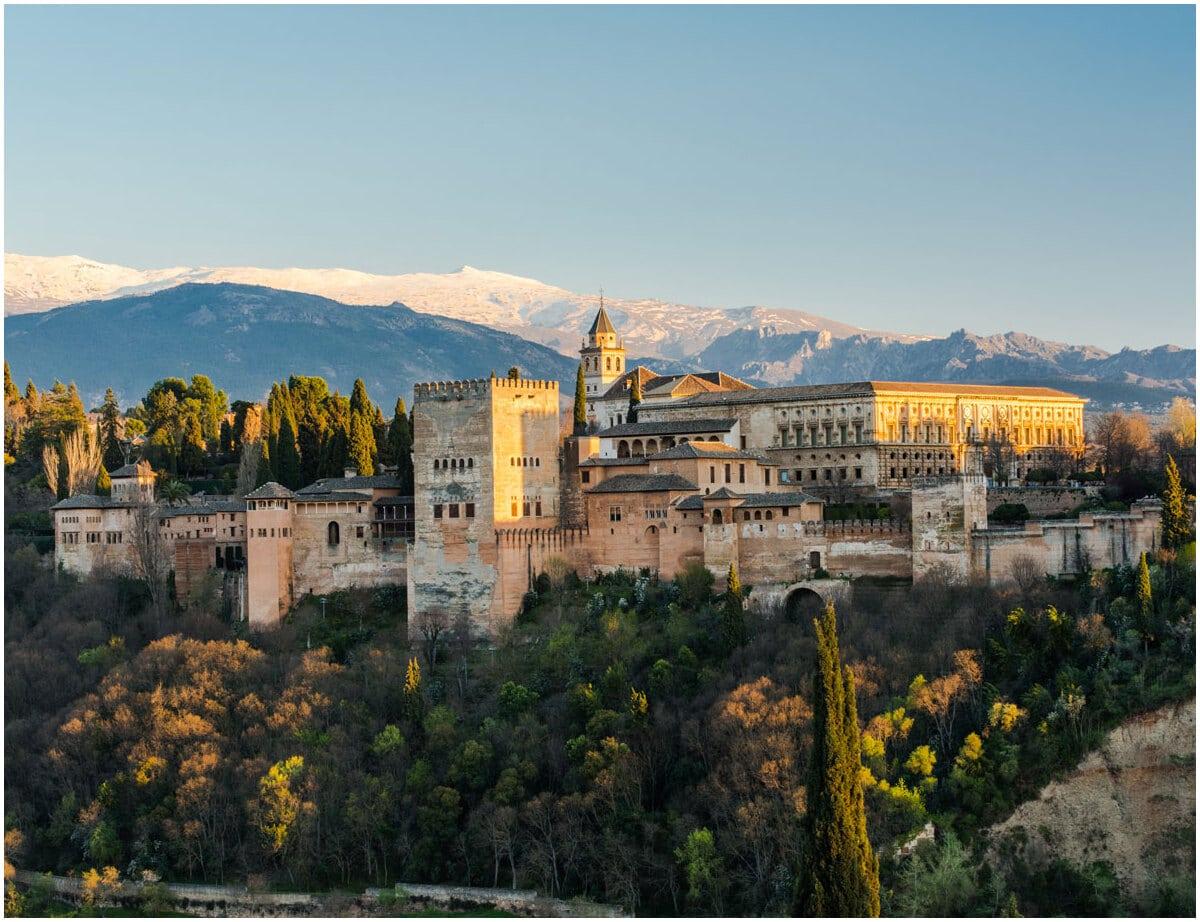
Granada is still one of Spain's most beautiful cities. It attracts thousands of visitors every year, not least because of its famous Alhambra, which features on every postcard of the city. You'll love wandering through the winding cobbled streets of the Albycín, the old Arab quarter.
Located in Andalusia, the city has everything to attract travellers: it's a good place to live, the inhabitants are smiling and friendly, and there is no shortage of monuments. The medina, decorated with flowers, adorns the balconies of the white houses and is full of charm. You'll also be thrilled to see artists singing and dancing to the accompaniment of the typical palmas, clapping their hands to the rhythm of energetic steps. Don't miss the chance to see an authentic, free Flamenco show in Granada, or to try a real Spanish paella. It's an excellent choice for a trip to Spain!
Here are the main attractions to see in Granada:
The must-see among the must-see, we mean the Alhambra, with in particular: The Generalife Gardens, the Palace of Charles V and the Nasrid Palaces
The Basílica de San Juan de Dios, with so much gilding!
The viewpoint of San Nicolas, offering a breathtaking panoramic view of the city.
The historic centre of Granada, with its narrow streets and monuments.
Cadiz

Cádiz is a city in Spain on the west coast of Andalusia, on the shores of the Atlantic Ocean. Although not very touristy, it is a popular destination for relaxation. It nevertheless attracts tourists thanks to its well-preserved historic centre, its small port and its 2 forts overlooking the ocean.
A must-see in Cadiz:
San Sebastian castle
Roman theatre of Gadès
Santa Catalina castle
The 1812 Constitution Monument
Cadiz Cathedral
The Mercado Central
When you arrive in Cádiz from the mainland, you're sure to take the 1812 Constitution Bridge, opened in 2015. The architecture is well worth a look!
Cádiz has a number of hiking trails that you can explore by bike, motorbike or car. And if you're a fan of the TV series, you should know that scenes from season 6 of Game of Thrones were filmed here.
Bardenas Reales
Visiting the Bardenas Desert is one of the most surprising things you can do on a tourist trip to Spain. It used to be made up of clays and sandstones, eroded over millions of years. Today, however, you can admire a rocky landscape shaped entirely by erosion over an area of almost 42,000 hectares. Everything is done by nature to give you a complete change of scene.
The Bardenas Reales desert has been designated a World Biosphere Reserve by UNESCO. It's the ideal place to relax, especially if you live near the Pyrenees border with Spain. It's only a 2? hour drive from Bayonne, for example.
Be sure to visit the gigantic Castil de tierra fairy chimney, the emblem of the desert.
Sierra de las Nieves Natural Park
The park lies between the towns of Málaga and Ronda in Andalusia. So it's well worth a visit if you're in the latter city. The Sierra de las Nieves Natural Park is the last natural park to be listed in this section of incredible things to do in Spain. It is made up of several mountain ranges that are rich in vegetation and wildlife. In addition, you can enjoy activities such as canoeing, kayaking, agritourism, hiking and exploring 14 other white villages in the area. Exploring ethnographic routes and horse-riding along the trails are also great ways to relax.
Set in an enchanting landscape of pine forests, the park offers a wealth of hiking opportunities. Dominated by Pico Torrecilla, which rises to 1919, it is well worth a visit.
Antequera
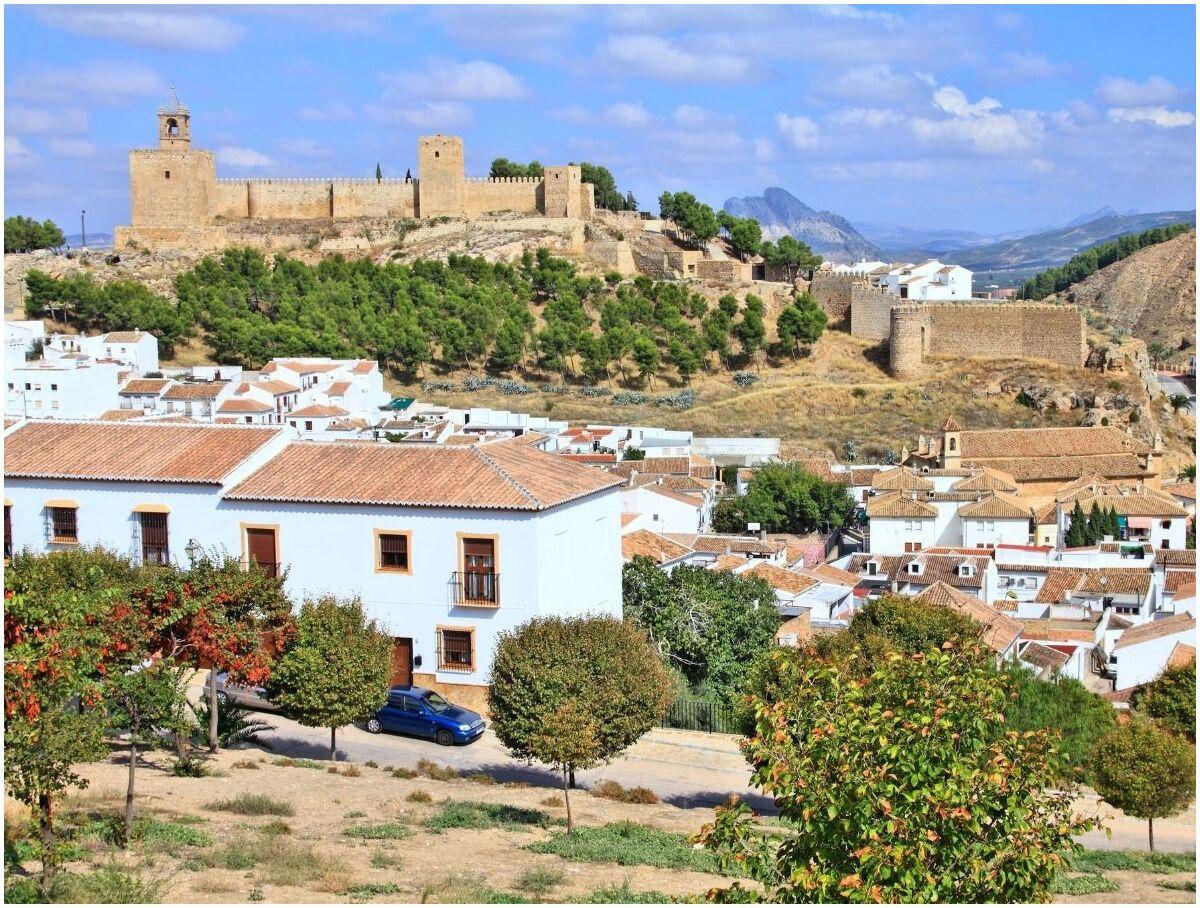
Antequera is located in the heart of Andalusia, not far from Málaga and the Sierra de las Nieves Natural Park. The town has many little-known treasures to offer: several Baroque churches, palaces, small parks dotted around the town, a vast and beautiful main square, plenty of monuments to discover, convents in a wide variety of styles, alongside a Muslim fortress and a prehistoric site declared a UNESCO World Heritage Site. In all, there are around half a hundred remarkable monuments and archaeological remains of extraordinary importance. "To walk through Antequera is to immerse yourself in its past! The municipality of Antequera is also a communications hub that connects it with the rest of Andalusia.
Must-sees in Antequera:
The Alcazaba, which dominates the town
The Colegiala de Santa Maria
The Arco de los Gigantes, which you can already see on your way to the town
El Carmen church, with its dazzling interior
La Mayor de Antequera
The many convents founded between the 16th and 17th centuries.
The catalogue of religious monuments in the capital of Antequera.
But what makes the town unique and special is the group of prehistoric dolmens discovered on the outskirts of the town. As you may know, these are not commonplace in Spain!
Avila

Avila is a place whose name is pleasant to pronounce and a pleasant place to visit. The region has been a World Heritage Site since 1985. It is best known for its impressive wall, built to defend the city from Moorish attacks in the Middle Ages. Some 2,500 metres long and boasting 88 towers, the Avila wall encircles the city and has been beautifully preserved.
As well as having a natural and beautiful face that charms and attracts, the place enjoys an excellent culinary reputation.
In Avila, you'll enjoy a medieval atmosphere with the air of a medieval village. And don't forget! You can't visit Avila without exploring the mysteries hidden in the historic centre of the walled city. There's only one thing you'll want to do when you arrive: step inside and wander through the narrow streets. The city walls are illuminated at nightfall, creating an almost spiritual atmosphere.
Things to see in Avila
The walls of Avila
Avila Cathedral
The footsteps of Saint Teresa
Burgos
Burgos is the birthplace of the Cid, the famous Spanish hero, which has made the city one of the most famous in the world. Although it was largely renovated under Franco's dictatorship, the city still boasts several monuments that are well worth a visit. These include the splendid Gothic cathedral of Santa María de Burgos, a UNESCO World Heritage Site. It is one of the most beautiful in Spain (and the 3rd largest). You'll also discover the castle overlooking the city, giving it a timeless atmosphere.
As the city has opted for greenery, you'll enjoy strolling through its medieval centre, dotted with green spaces and parks. Apart from these emblematic and entertaining places, Burgos is home to everything that makes Spain so special: good wines, quality local cuisine and a relaxed atmosphere, especially in the early afternoon, when the sacrosanct siesta time comes.
Finally, to round off this top list, we'll look at some of the Spanish islands that are not to be missed.
The Balearic Islands

● Majorca
Majorca is not only the largest of Spain's islands, but also the one that attracts the most tourists every year.
It is a paradise island with a breathtaking diversity of landscapes: turquoise sea, dense forests, white sandy beaches, mountain ranges suitable for hiking...
Towns to discover on the island of Majorca:
Valldemossa
Pollença
Soller
Alcudia
Palma de Mallorca
● Menorca
Often regarded as Majorca's little sister, Menorca is less well known and more expensive to get to, but better preserved than its neighbour. With its magnificent and often deserted beaches, its coasts offering multiple possibilities of nautical activities of all kinds and its charming villages, it will delight lovers of nature and tranquillity. Don't miss out on places of interest such as :
Playa de Binigaus
The village of Fornells
Cala Mitjana
The town of Alaior
● Ibiza
Although this island now has a rather bad reputation as an island of partying, drinking and lust, it has much to offer to cheer you up.
The further you move away from the crowded south coast of young Europeans out to have a good time, the more you'll discover the true face ofIbiza. It's an unspoilt island with 210 km of coastline lined with beaches where you can relax and unwind. Discovering old Ibiza, a World Heritage Site, means wandering along coastal paths and seeing typical villages.
The island of Formentera, just 30 minutes by boat from Ibiza, is also full of surprises.
Tenerife

Tenerife is the largest and most populous of the Canary Islands, conquered by the Spanish over 500 years ago. It is often referred to as "the island of a thousand experiences on one island". The island boasts a number of heavenly beaches, including Mount Teide, the highest mountain in Spain, nature parks, a zoo, volcanoes and more.
The island offers an infinite number of activities: get out into nature, climb Mount Teide, relax in the square, go shopping, stroll through the old town, see a show, have fun in a theme park, play golf...
But there's no point in going to Tenerife without sampling its excellent gastronomy. Try the delectable experience of savouring prawns in a place overlooking the sea, you won't regret it!
Its mild weather all year round makes it an ideal winter destination for a stay in Spain.
Lanzarote

Lanzarote is the most exotic of the Canary Islands. Its lunar landscapes are sure to surprise you and make you feel as if you are in another world. It is a paradise with black ashes, almost no vegetation and only a few species of succulents left. Lanzarote is famous for its wine made from vines grown in a curious way.
A must-see in Lanzarote:
La cueva de los Verdes
The Chinijo archipelago and its nature park
Timanfaya National Park
The Cactus Garden
Gran Canaria

The island of Gran Canaria attracts thousands of tourists every year. They come to enjoy the region's exceptional climate. You'll discover a host of heavenly beaches, lively nightlife in some of the bars, charming villages, volcanoes and countless hiking trails.
Gran Canaria also offers a host of exciting experiences with 80 beaches along its coastline. Many of them are ideal for surfing. On the other hand, the inland landscapes are more suitable for long walks, with easily accessible peaks.
You are now convinced that Spain is one of the most popular tourist destinations in Europe. You also know why it attracts so many tourists and holidaymakers from the four corners of the world: the hilltop villages, the cathedrals, the cultural traditions and annual festivals, the flamenco dancers, the excellent food, the well-preserved architecture dating back thousands of years, the unique landscapes, the lively nightlife,...
In every region of Spain, you will never lack things to discover and enjoy. From the Pyrenees to the Mediterranean, the country offers a variety of landscapes and cultures that are well worth exploring.