Baggage handlers: A crucial cog
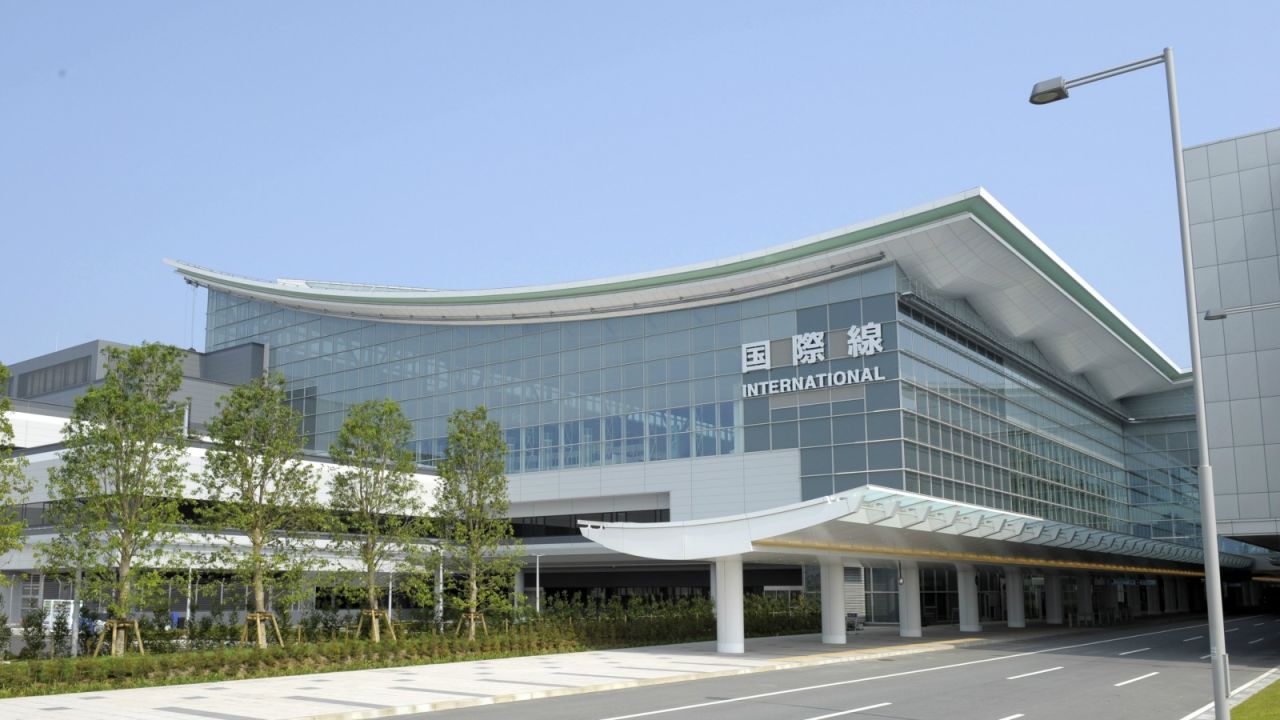
Haneda Airport is set to expand its global reach with the addition of 50 new international routes in 2020. This development will further cement Haneda's reputation as one of the world's most punctual airports. With its commitment to efficiency and timeliness, Haneda continues to innovate and improve passenger experience.
Given this expansion, an influx of international travelers is anticipated. To cater to their needs and guarantee a comfortable stay in Tokyo, there are numerous top-rated hotels in the city. You can review and book your accommodations through tophotels.com to ensure a fantastic stay.
Within Japan Airlines, approximately 17,000 bags are handled by dedicated baggage handlers at Haneda Airport on a daily basis. These skilled handlers play a crucial role in ensuring that flight operations run smoothly and bags are delivered to passengers within a remarkable 10-minute timeframe.
Prior to each shift, handlers engage in stretching exercises to prevent muscle strain, recognizing the physical demands of their job. As part of their ongoing efforts to enhance efficiency, Japan Airlines is currently piloting the use of a cutting-edge robotic suit called ATOUN Model Y.
Designed as a wearable exoskeleton, the ATOUN Model Y utilizes advanced motors and sensors to provide additional support to the lower body. By focusing on the lower back, this ingenious technology reduces the strain on handlers' bodies, making the luggage feel lighter and enabling them to perform their duties with greater ease.
To witness the ATOUN Model Y in action and witness the positive impact it has on the baggage handling process, watch the video above.
As one of the busiest airports in the world, Tokyo's Haneda Airport strives to maintain its reputation for punctuality and efficiency. The introduction of innovative technology has significantly improved the speed and accuracy of ground operations, according to Kotaru Shintani, a ground handling supervisor for Japan Airlines. By using a specially designed device, handlers can now carry out their tasks more efficiently and with reduced fatigue.
In addition to enhancing productivity, Haneda Airport is also dedicated to creating a more inclusive work environment. Collaborating with ATOUN, Japan Airlines aims to develop an arm support device that will enable handlers to manage heavier cargo and attract a larger pool of workers. By making the job less physically demanding, potential employees with diverse abilities can contribute their skills to the airport operations.
Shintani expresses his pride in ensuring that planes depart on time, reflecting the Japanese culture's high value placed on punctuality. This dedication to timeliness continues to drive the efforts at Haneda Airport, solidifying its reputation as one of the world's most punctual airport hubs.
The significance of punctuality in Japanese culture
Japanese culture places great emphasis on punctuality, and this value is deeply ingrained in various aspects of society, including transportation. Timeliness is valued not just for its practicality but also as a reflection of respect for others and adherence to societal norms.
With its commitment to punctuality and continual technological advancements, Haneda Airport showcases Japan's dedication to efficiency and accuracy in the aviation industry. This emphasis on precision not only enables streamlined air travel operations but also embodies the nation's strong cultural values.

Tokyo's Haneda Airport is renowned for its exceptional punctuality, ensuring that passengers can rely on timely departure and arrival schedules. This commitment to timeliness goes beyond just flight operations, extending to various aspects of the airport.
One remarkable feature of Haneda's international terminal is the immersive Japanese experience it offers to travelers. Upon entering the mezzanine floor above the check-in area, passengers are transported to a market street reminiscent of early 17th-century Japan. The carefully crafted replica of the Nihonbashi Bridge, constructed using Yoshino cypress wood, adds to the authenticity of the setting.
Along this Edo-style shopping street, visitors can explore the offerings of around 30 restaurants, catering to those in a hurry. Sushi, yakitori, and oden are just some of the delectable options available. Among these establishments is Katsusen, a renowned restaurant specializing in mouthwatering tonkatsu, a dish comprised of fried pork cutlets. Serving approximately 300 customers daily, Katsusen understands the value of time for its diners.
Fun Fact: Haneda Airport has consistently ranked among the world's most punctual airports, with over 85 million passengers passing through its doors annually.
Another interesting detail is that Haneda's international terminal hosts a Japanese-style market street, providing visitors with a unique cultural and culinary experience.
Japanese airport hotel puts flight simulator in room
According to Katsusen manager Hideyaki Kimihara, coping with pressure is all down to the mindset of his staff. Many of Haneda’s workers have been socialized to consider punctuality sacrosanct from a young age.
“Japanese people are brought up with that custom,” he says. “Once you’re an adult, the importance of punctuality is already in your etched into your head.”
Beyond time

Aside from its impressive punctuality, Tokyo's Haneda Airport has garnered widespread acclaim among frequent flyers for a multitude of reasons.
Notably, Haneda has consistently earned a distinguished five-star quality rating from Skytrax for the past six years, a coveted accolade shared by only twelve airports worldwide. Standing out further, Haneda Airport is the sole airport among the planet's five busiest airports to have been bestowed with the esteemed "first-rate" status.
Additionally, Haneda Airport has been recognized as the World's Cleanest Airport by the Skytrax World Airport Awards on a regular basis. Its commitment to immaculate facilities and impeccable cleanliness is so commendable that it has even received a "Japan Toilet Award" from the government.
Discover why Tokyo's Haneda Airport is consistently ranked as one of the world's most punctual airports. Haneda has secured its position as the second-best airport in the 2019 Skytrax World's Best Airport rankings, climbing up from the previous year's standing. This recognition is further bolstered by Haneda's achievement as the World's Best Domestic Airport, showcasing its commitment to providing exceptional services to travelers.
One of Haneda Airport's primary advantages is its unrivaled convenience. Located less than half an hour away from Tokyo Station, the city's central railway terminal, Haneda offers swift and seamless access to the heart of Tokyo. In contrast, Narita, Tokyo's other main airport, is situated an hour away by train from the central station.
Experience the world-class facilities and remarkable punctuality of Haneda Airport, making it the preferred choice for travelers seeking efficiency and ease during their journeys.
More passengers coming
For now, Haneda connects travelers to 49 airports within Japan, and 80% of its passengers are domestic.
But with the 2020 Tokyo Olympics fast approaching, there are ambitious targets to increase the number of international visitors to Japan next year, and Haneda will be a key gateway to the country.
The Japan National Tourism Organization hopes to receive 40 million travelers in 2020, almost four times the 2013 figure. To facilitate growth, Haneda is adding another 50 international routes to its daily flight schedule and undergoing a reorganization of its terminals.
The challenge for Haneda will be to maintain such high standards with a huge increase in footfall.